

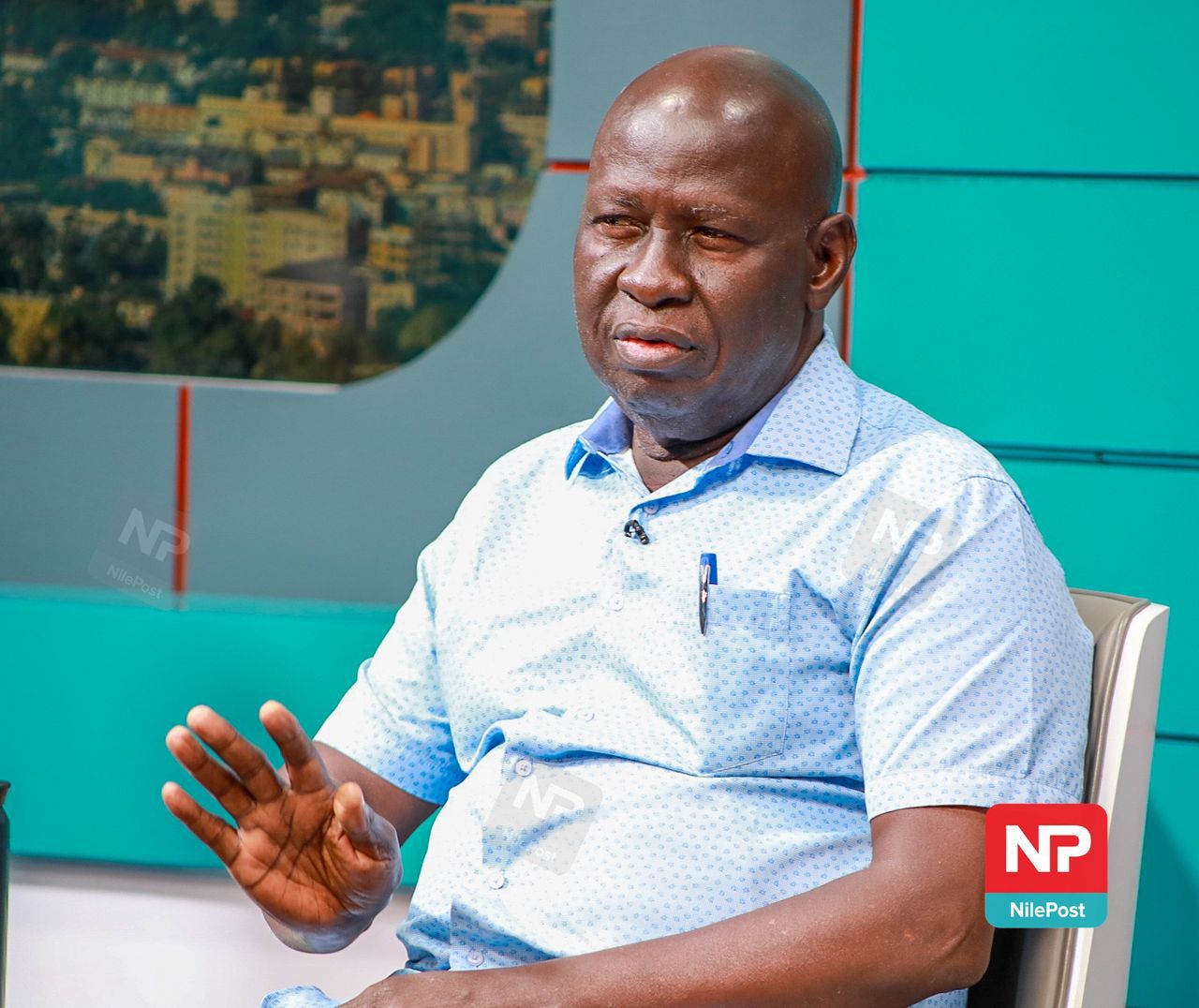
Veteran journalist and former Leader of the Opposition in Parliament, Paul Wafula Oguttu, has raised concerns that the government could manipulate opposition structures through proposed legislative changes to the office of the Leader of the Opposition (LoP).
Speaking at the NBS Media Roundtable on Friday, Oguttu traced tensions over the LoP office back to the tenure of his predecessor, former Forum for Democratic Change (FDC) presidential candidate James Nathan Nandala Mafabi.
He said disputes often stemmed from the growing resources attached to the position.
“The bickering around the LoP office began around the Nandala Mafabi time because the budget for the office had increased. The bickering was all about the materials of the office,” Oguttu said.
He emphasised that the Leader of the Opposition is constitutionally recognized as a political office representing the alternative vision to government, rather than merely an administrative role within Parliament.
“LoP is not an office of Parliament. It's a political office in the constitution. The runner-up party has a policy or manifesto near what the people wanted,” he said.
Oguttu’s remarks follow the withdrawal of the Administration of Parliament (Amendment) Bill, 2024, by Richard Lumu, the Member of Parliament for Mityana South. The bill had proposed changing the method of selecting the LoP from designation by the largest opposition party to an election involving all opposition MPs.
Defending his decision to withdraw the bill, Lumu said several legislators from opposition parties—including the National Unity Platform (NUP), Democratic Party (DP), FDC, and Uganda People’s Congress (UPC)—opposed the changes.
He warned that the bill could be exploited to serve interests beyond the opposition, potentially allowing interference from the ruling party.
Currently, the largest opposition party in Parliament designates the Leader of the Opposition. Critics argue that this system may impose a leader on other opposition members who do not necessarily support that choice.
However, Oguttu and other opposition figures contend that replacing it with an electoral model could inadvertently weaken unity and coordination among opposition MPs.
“I think Hon. Lumu was right to withdraw the bill. The government was using it to manipulate and control the Opposition,” Oguttu said during the roundtable discussion.
The debate underscores broader concerns within Uganda’s opposition about maintaining internal cohesion and protecting the independence of parliamentary leadership from potential government interference.
